Summary
- Byron Donalds faces Democrat David Jolly in the Nov. 3 Florida governor's race; Gov. Ron DeSantis is term-limited.
- Donalds' energy plan centers on expanding natural gas and adding nuclear power; his campaign has not released more detail.
- Experts quoted by the Tampa Bay Times on Oct. 15 said the approach could expose customers to fuel-price spikes and nuclear cost overruns.
- Jolly proposes capping utilities' allowed profits at the national average and pushing more solar; there will be no televised debate.
Donalds' approach
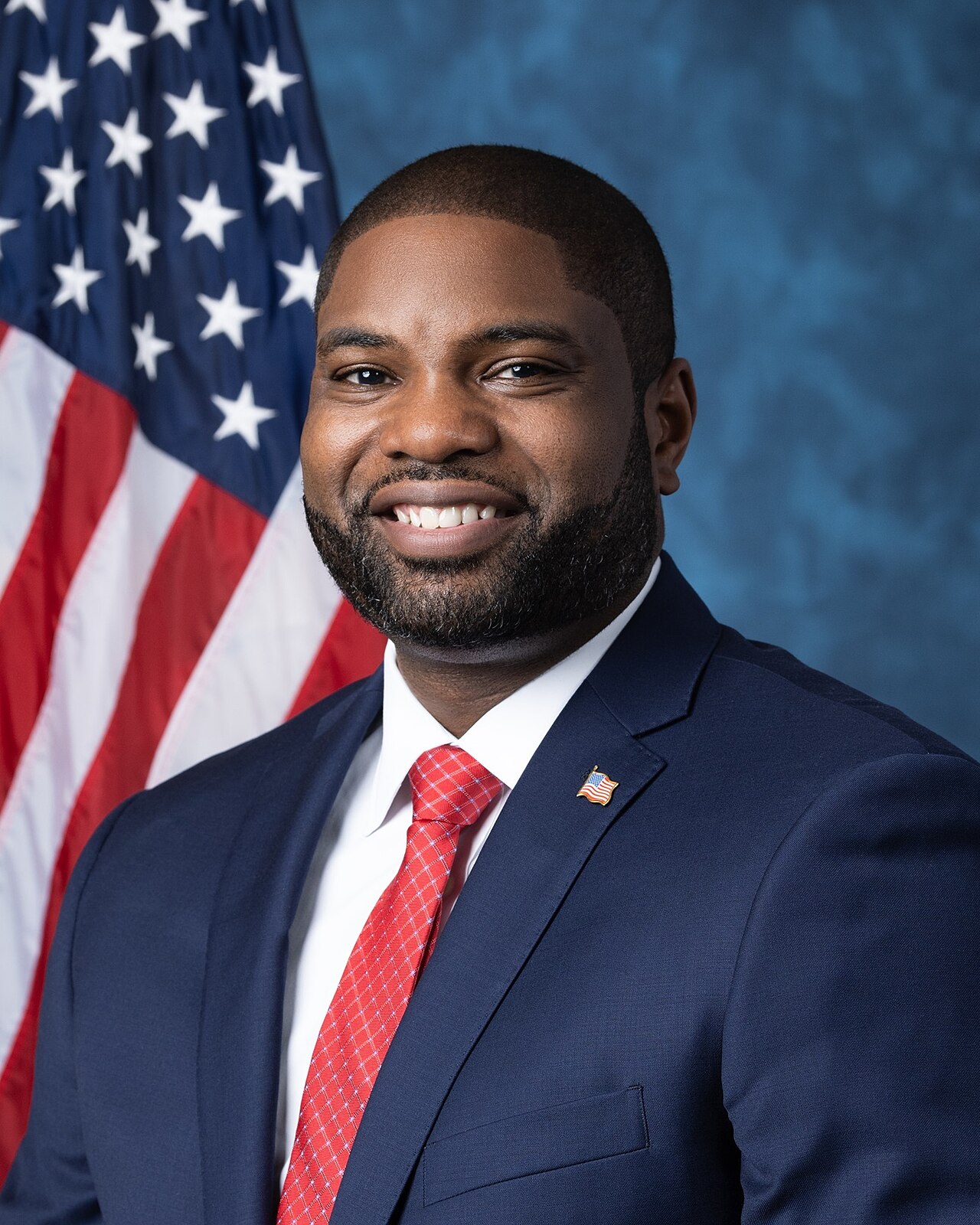
Republican Byron Donalds, the congressman running for Florida governor, has made natural gas and nuclear power the core of his pitch on electricity costs. At an August rally in Tarpon Springs, he said, "More talk of more solar farms and wind farms is not going to lower utility bills in this state, or quite frankly, any state," the Tampa Bay Times reported on Oct. 15. [1]
Campaign spokesperson Gates McGavick told the Times that expanding gas capacity and adding nuclear "will allow Florida to be a leader in energy production and drive down costs with predictable and long-lasting sources of energy." The campaign did not provide further detail when asked. Donalds has separately called solar power a "fad" and voiced support for small modular reactors, the Florida Phoenix reported. [1] [3]
What experts said
Four experts the Times consulted questioned whether the plan would lower bills. Florida State University economist Mark McNees said, "A gas plant is cheap to build and costs more to run when gas prices spike," while nuclear plants carry construction risk and customers "can end up paying for a plant that's late, over budget, or never finished." [1]
Brooke Ward of the advocacy group Food & Water Action told the paper that the plan "would most definitely lead to higher electricity bills for all Floridians," and Susan Glickman of The CLEO Institute called it "a big red flag" that Donalds is pushing what she described as the most expensive form of power. [1]
Jolly's alternative
Democrat David Jolly wants to cap utilities' allowed return on equity at the national average, appoint Public Service Commission members who accept climate science and push utilities toward more solar. He cited Florida Power & Light's approved 10.95% midpoint return. "A 10% profit is pretty healthy, particularly when it's guaranteed," Jolly told the Times. [1]
Ron Nelson of Current Energy Group, who has testified in Florida utility cases for the state's Office of Public Counsel, told the paper that Florida's allowed profit rates are "a problem" and that they feed directly into customers' bills. [1]
Why bills are an issue
Florida generates about three-quarters of its electricity from natural gas and about 8% from solar, according to the Times. Bills jumped in 2022 when gas prices more than doubled after Russia's invasion of Ukraine, and Duke Energy has said it will seek another base-rate increase in Florida next year. Marketplace has also examined why Florida power bills are high. [1] [4]
The race
Donalds, whose running mate is Bryan Avila, and Jolly, running with Gwen Graham, won their party primaries on Aug. 18. The general election is Nov. 3. [5]
Voters will not see the two on a debate stage. Jolly announced on Sept. 20 that he would not debate Donalds, which the Times reported makes it the first Florida governor's race in more than 50 years without a televised debate. [2]
Reporting sources
- Tampa Bay Times · Byron Donalds' plan to lower electric bills could raise them instead, experts say ↗2026-10-15T19:57:13Z
- Tampa Bay Times · David Jolly rejects any debates with Byron Donalds in governor's race ↗2026-09-20
- Florida Phoenix · Byron Donalds says solar power is a 'fad,' but Florida utilities are expanding its use ↗2026-09-30
- Marketplace · Why are energy bills so high in Florida? ↗2026-10-08
- Wikipedia · 2026 Florida gubernatorial election ↗2026-10-15
This article follows our editorial standards. To report an error, see our corrections policy.